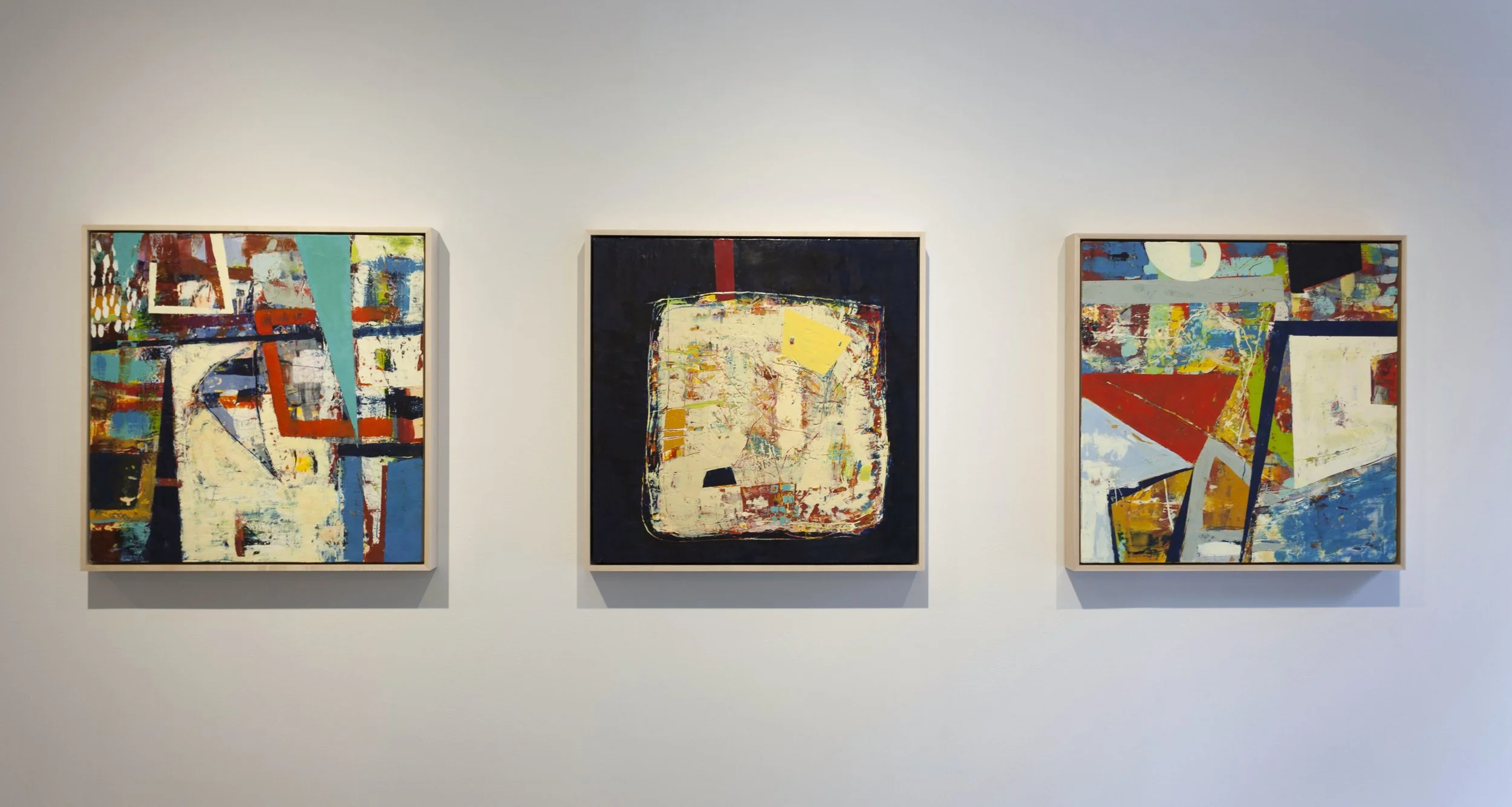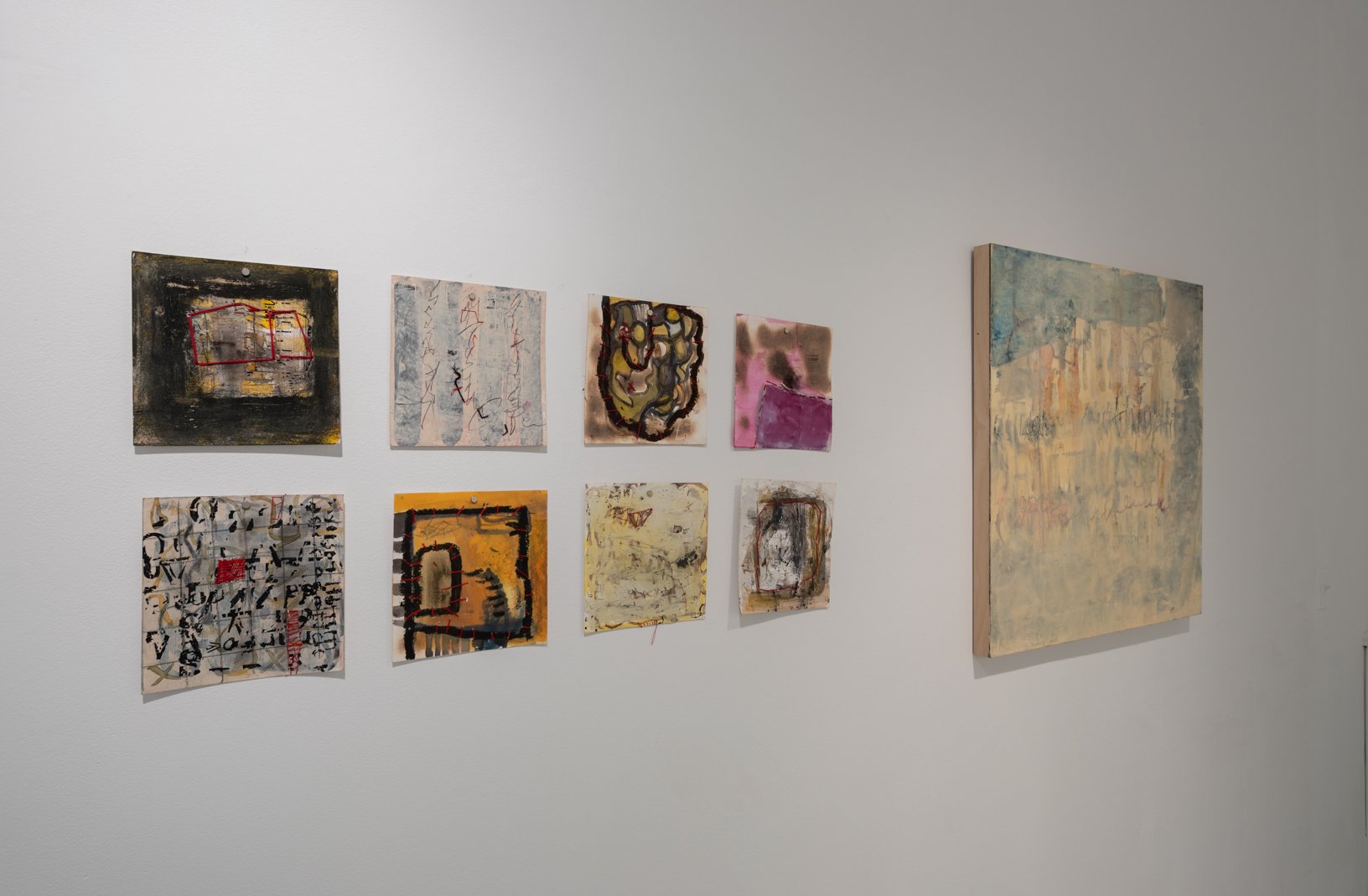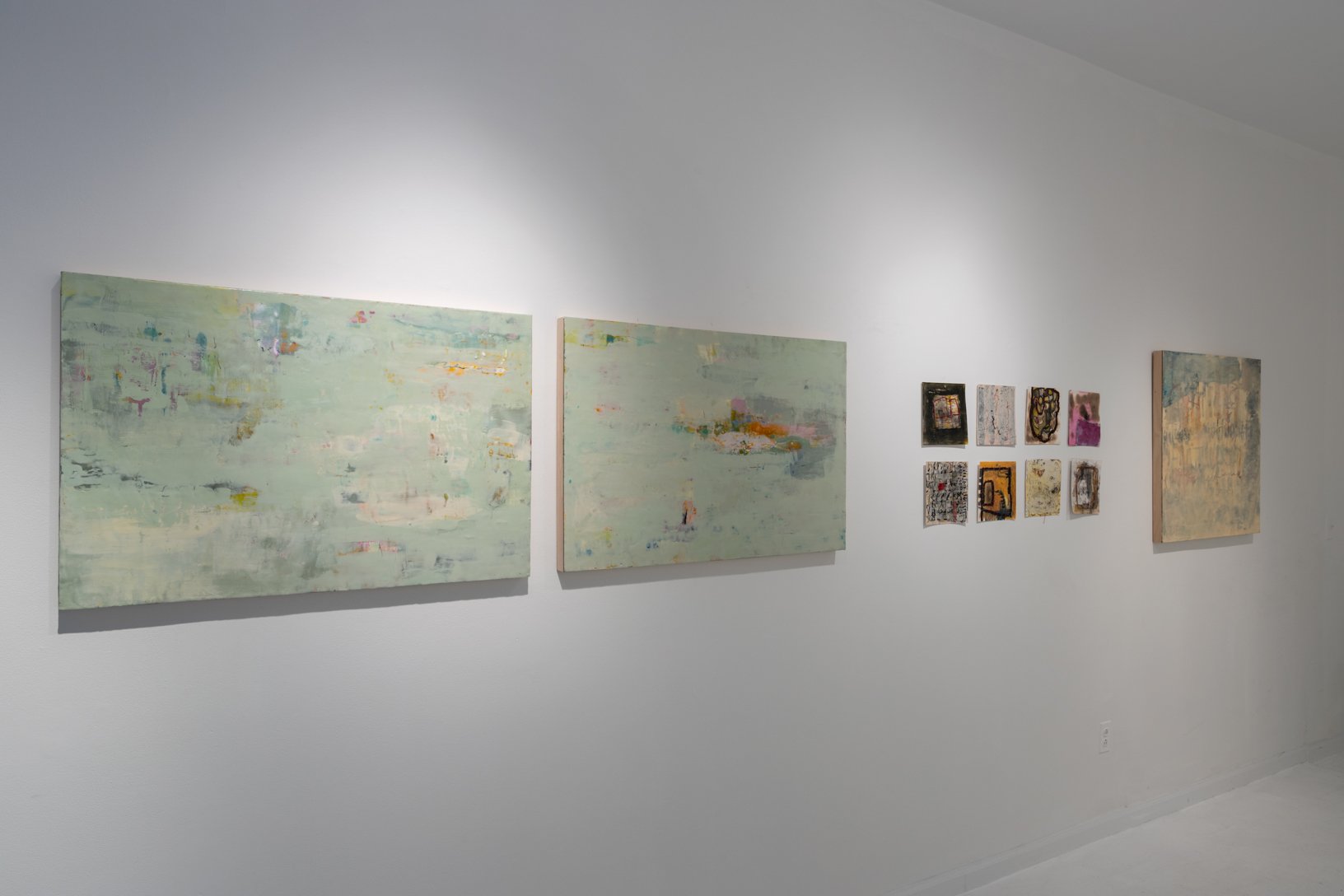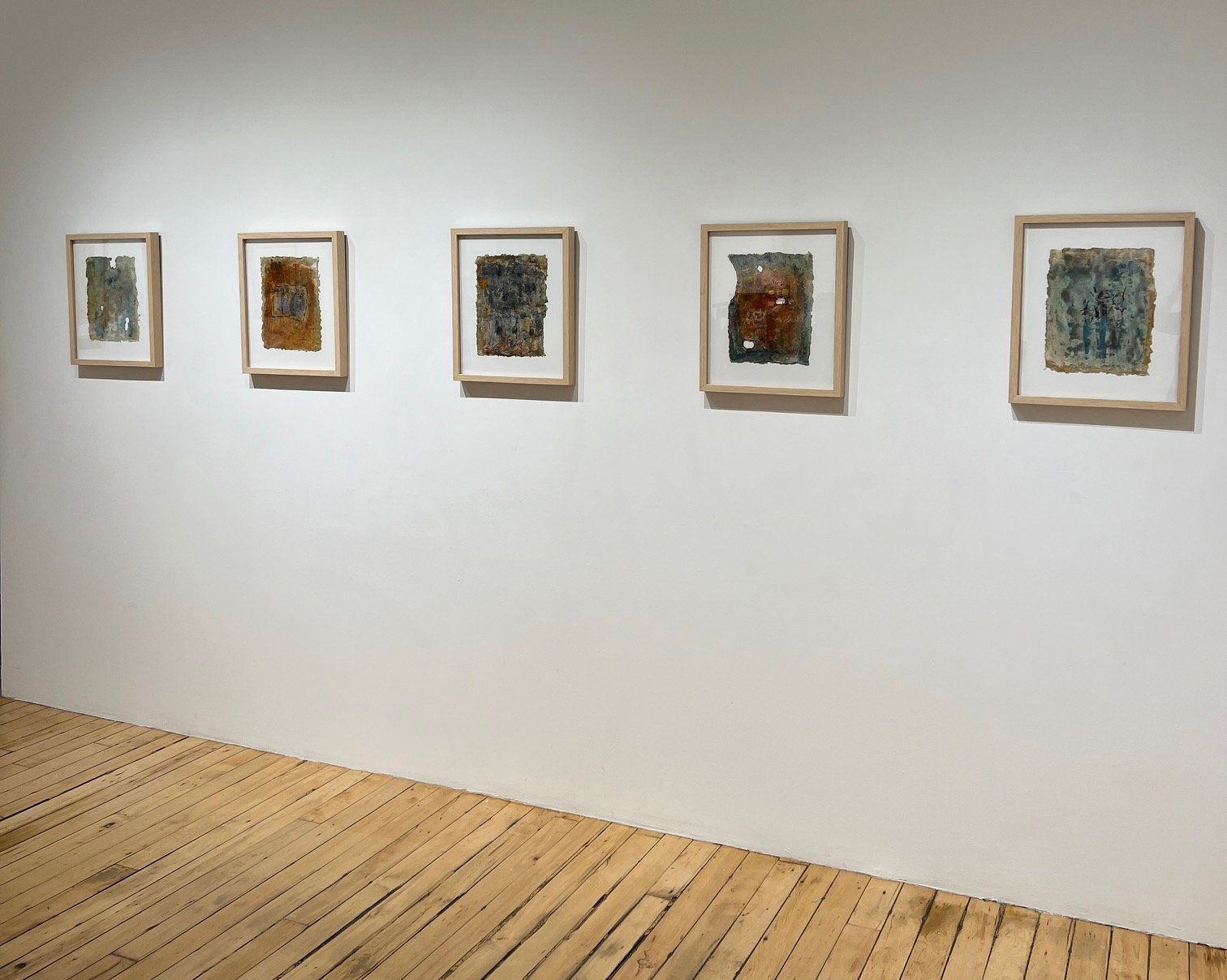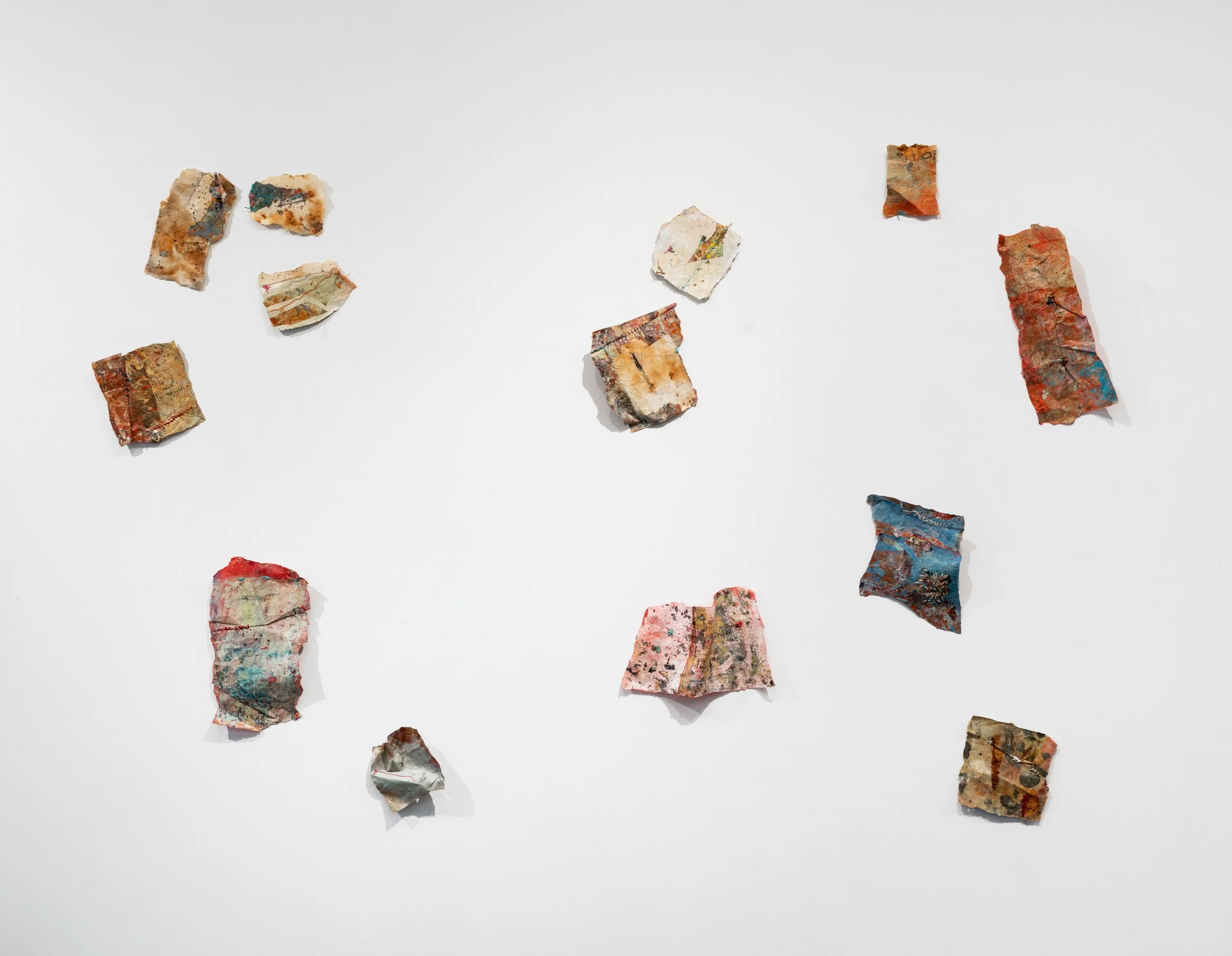
Installation of Acts of Small Repair, May 2026
My work explores memory, loss, and what remains. Working with painting, collage, thread, smoke, and fragments of language, I build surfaces that carry evidence of time, change, and lived experience.
I work intuitively, layering, burning, cutting, stitching, covering, and revealing. Marks and pieces of text appear and disappear as the work develops. I think of them as traces rather than messages—something partially recovered but never fully known.
The loss of my son changed my relationship to materials and process. Burning, mending, and reconstructing became ways of working through absence and continuity. The work does not directly narrate that loss, but it carries a physical and emotional record of it.
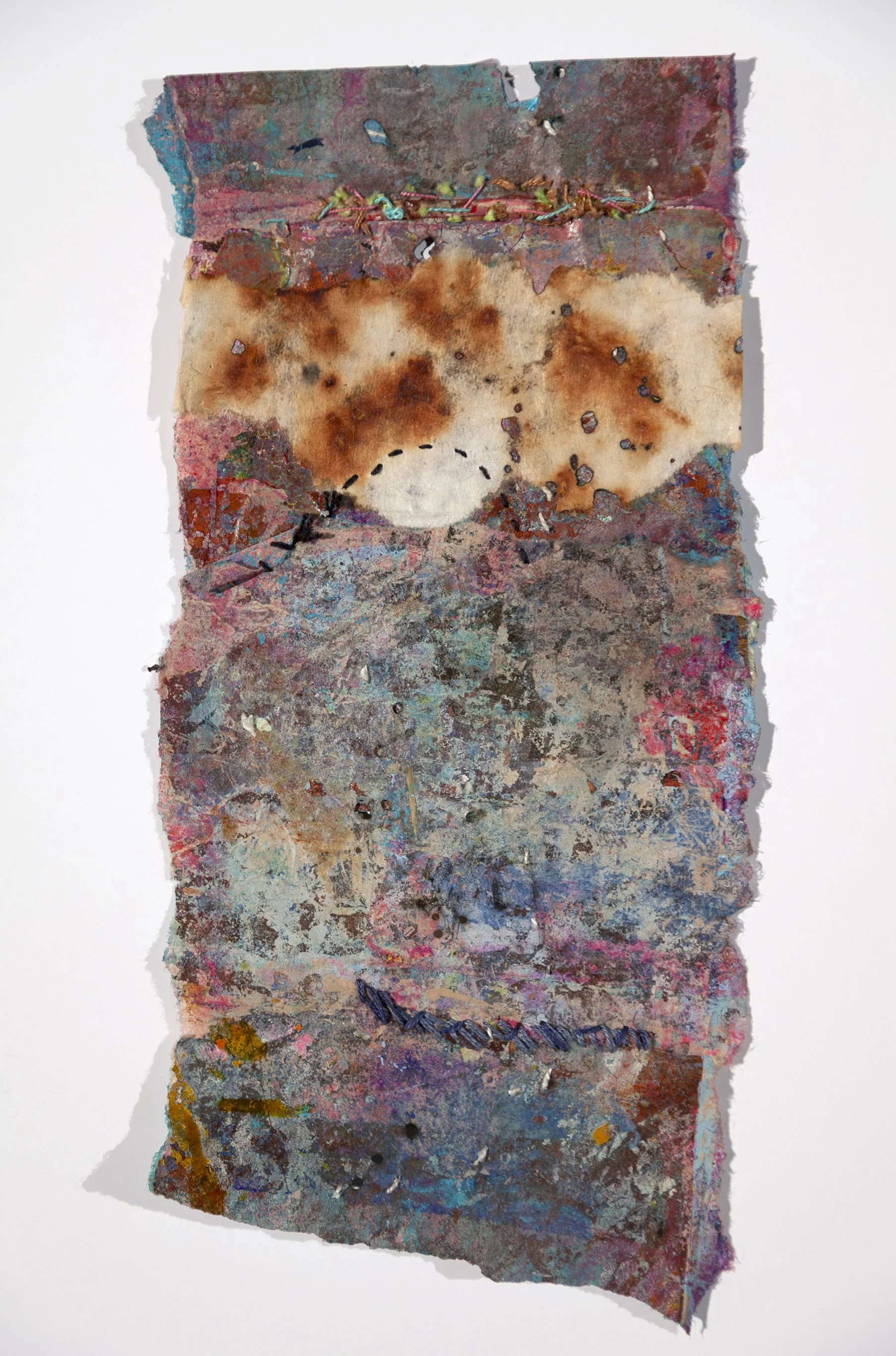
Whether I am making paintings, works on paper, or sculptural pieces for the wall, I am drawn to materials that appear worn, marked, or altered. A torn edge, stitched seam, scraped surface, or smoke stain can suggest something that has been carried through time. I do not attempt to return these fragments to an original or complete state. Their histories remain visible within what they are becoming.
Making is a way of finding what I don’t yet know. I follow the materials and allow the work to shift as I make it. Each piece becomes a record of that process—of what has been covered, what has surfaced, what has changed, and what still remains.
Biography
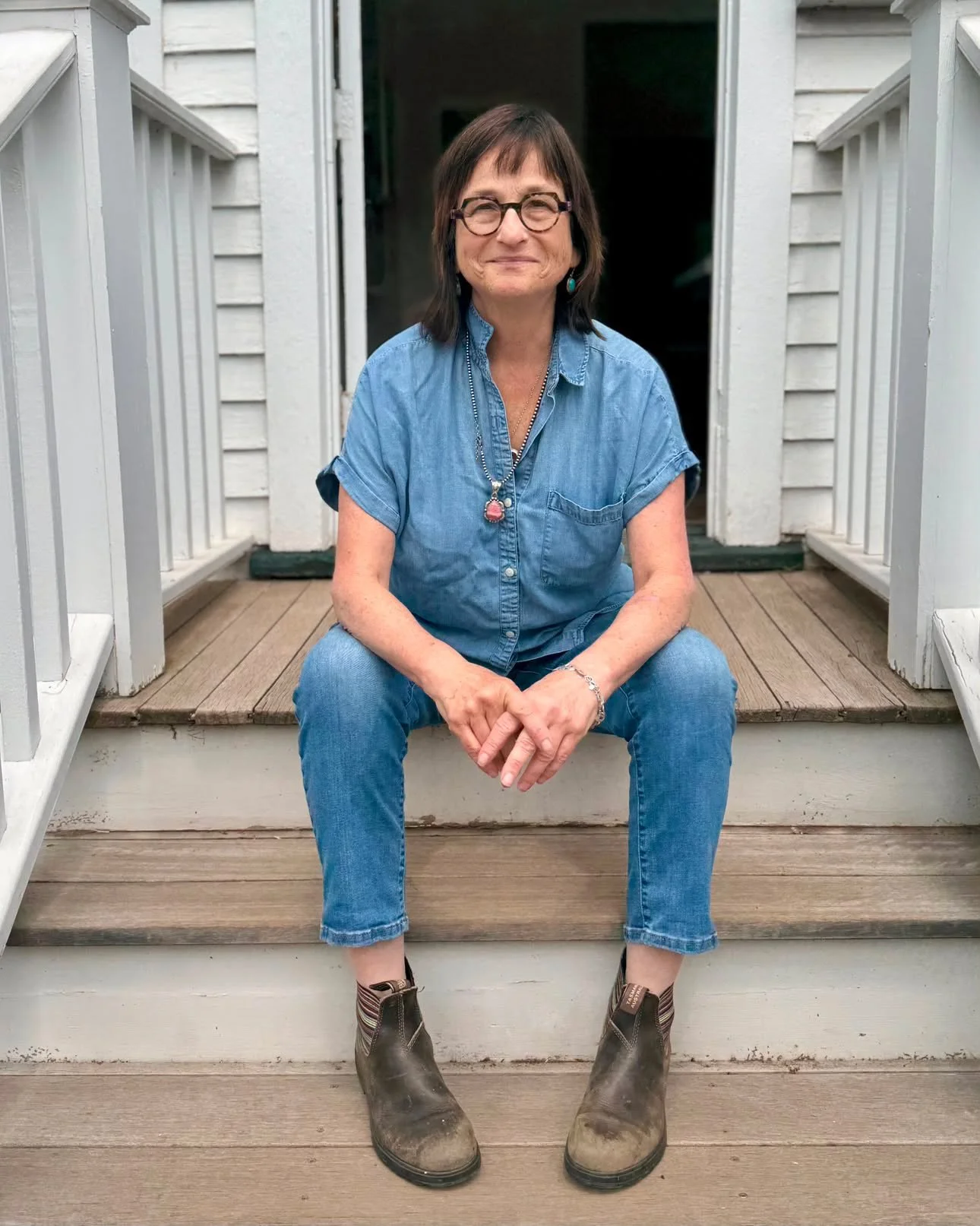
Lisa Pressman is a New Jersey–based visual artist whose work explores memory, materiality, and transformation. Working across painting, collage, and sculptural wall pieces, she uses oil, cold wax, paper, thread, smoke, and fragments of language. Her surfaces are built through layering, scraping, burning, stitching, and reconstruction.
Pressman earned her MFA in Painting from Bard College and her BA in Fine Arts, with a concentration in ceramics and sculpture, from Douglass College at Rutgers University. Her work has been exhibited throughout the United States and internationally. Recent and past exhibitions include Susan Eley Fine Art in New York and Hudson, Addington Gallery in Chicago, Kraushaar Galleries, Zürcher Gallery, The Painting Center, Causey Contemporary, and R&F Handmade Paints. Solo exhibitions include Messages, Downtown Debut, and Passing Through.
Her work is held in private and corporate collections, including Hyatt Regency, McKinsey & Company, Omni Hotels, and Sun Chemical Corporation. It has been featured in Cold Wax Medium by Rebecca Crowell and Jerry McLaughlin, as well as in the Huffington Post, Art Speak, and the Philadelphia Inquirer.
Alongside her studio practice, Pressman teaches workshops throughout the United States and abroad. She has taught at universities, art centers, and conferences, including Penland School of Craft, R&F Handmade Paints, Sedona Arts Center, PaintSpace NOLA, and the International Encaustic Conference in Provincetown. She has also worked as a curator and juror, most recently for The Blue Show at The Painting Center and Sense of Place at Monmouth University.
“Her work is emotionally intense, laden with the acute joys and sorrows that can only be accessed through profound suffering. She shares her journey with a deep generosity of spirit, and we want to travel with her, knowing that on some level it’s our journey as well.”
Meg Hitchcock, In the Studios blog

The notion of what lingers beneath the surface is a driving force in her practice. Language appears in glimpses—familiar yet unreadable, dissolving into gestures. The marks she creates exist in a space between recognition and obscurity, emphasizing the fluid nature of memory and perception. Her compositions suggest containment yet resist definitive interpretation, inviting viewers into a quiet, open-ended dialogue of discovery.
The death of her son in 2019 profoundly influenced Lisa’s work, deepening her relationship with materiality. Burned marks, red-thread sutures, and layered surfaces became both acts of remembrance and reconstruction, embodying the resilience of transformation. Through layering and excavation, her work become meditations on what remains, marking time in a way that feels both intimate and universal.